Building an app is exciting.
Getting thousands of installs feels even better.
But turning those installs into consistent revenue? That’s where things become tricky.
Every year, millions of apps compete for attention. Yet only a small percentage generate meaningful income. The reason isn’t always poor traffic. Most of the time, publishers simply use the wrong monetization approach.
The mobile app ecosystem is changing fast in 2026.
Privacy regulations are stricter.
User acquisition costs are rising.
AI-powered optimization is becoming the norm.
And advertisers expect better targeting than ever before.
That’s why publishers need smarter App Monetization Strategies instead of relying on one ad format and hoping for the best.
If you’re serious about growing app revenue this year, these strategies can make a huge difference.
Let’s dive in.
Why App Monetization Matters More Than Ever in 2026
A few years ago, getting downloads was enough.
Today, downloads alone don’t pay the bills.
Many apps cross 100,000 installs but struggle to generate sustainable income. Others with fewer users earn significantly more because they monetize smarter.
The goal isn’t showing more ads.
The goal is maximizing revenue without hurting user experience.
When done correctly, monetization can improve both earnings and retention.
Sounds surprising, right?
But users don’t mind ads when they’re relevant and properly placed.
That’s where strategy comes in.
1. Use Hybrid Monetization Instead of One Revenue Source
One of the biggest mistakes publishers make is relying on a single revenue stream.
For example:
- Only banner ads
- Only rewarded ads
- Only subscriptions
That’s risky.
If CPM drops or advertiser demand slows, revenue falls immediately.
Instead, successful publishers combine multiple monetization methods.
A hybrid strategy may include:
- Display Ads
- Rewarded Video Ads
- Interstitial Ads
- In-App Purchases
- Subscriptions
- Affiliate Revenue
This approach creates multiple income channels.
If one source underperforms, others continue generating revenue.
Many top gaming apps already use this model because it provides stability and higher overall earnings.
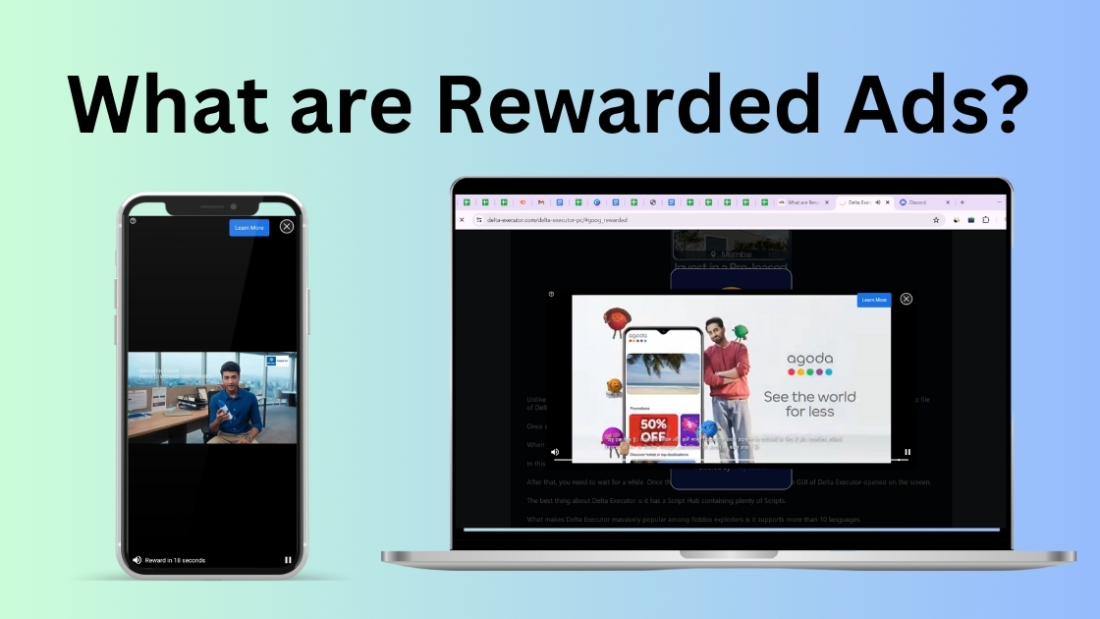
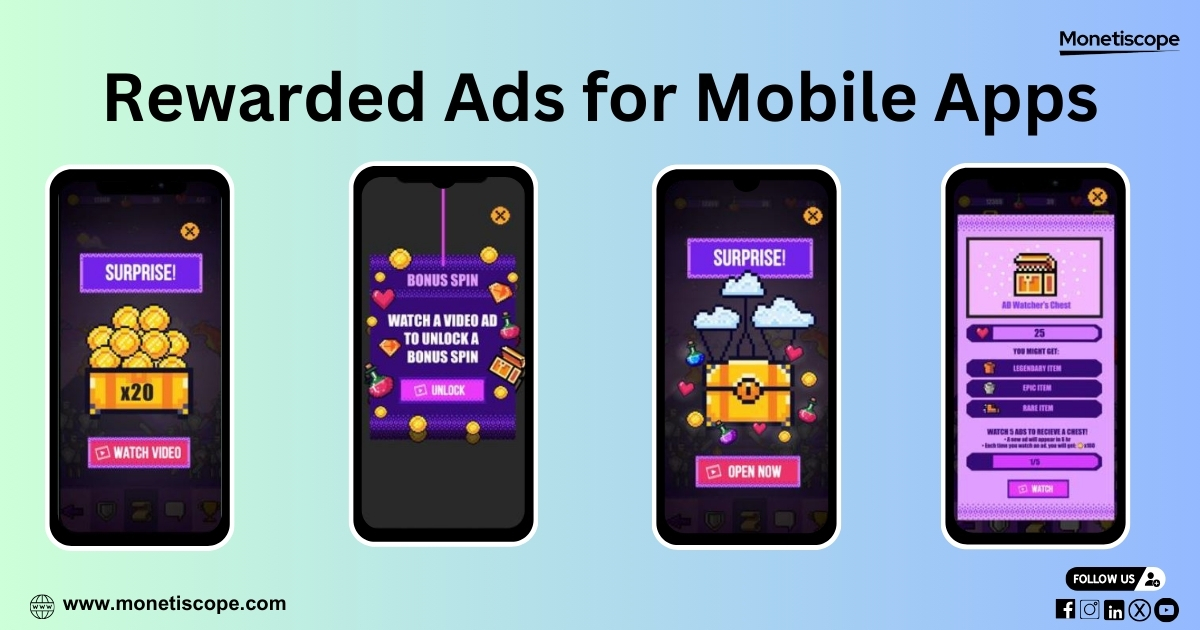
2. Prioritize Rewarded Video Ads
Rewarded ads continue dominating app monetization in 2026.
And honestly, it’s easy to understand why.
Users voluntarily choose to watch an ad.
In return, they receive something valuable.
Examples include:
- Extra game lives
- Coins
- Premium content
- Additional features
Everybody wins.
Users get rewards.
Advertisers receive engagement.
Publishers earn strong eCPMs.
In many markets, rewarded videos generate significantly higher revenue compared to traditional banners.
If your app currently doesn’t use rewarded ads, you’re probably leaving money on the table.
3. Optimize Ad Placements Using User Behavior
Ad placement matters just as much as ad format.
A poorly placed ad can annoy users instantly.
A well-timed ad feels natural.
Instead of guessing, analyze user behavior.
Look at:
- Session duration
- Screen flow
- Exit points
- Engagement patterns
Then place ads strategically.
For example:
Showing an interstitial immediately after app launch often performs badly.
Showing it after task completion usually works much better.
Context matters.
Timing matters.
Small adjustments can increase revenue without increasing ad density.
4. Implement Header Bidding for Mobile Apps
Header bidding isn’t just for websites anymore.
App publishers are increasingly adopting it to maximize competition among advertisers.
Traditionally, ad networks competed sequentially.
The highest bidder didn’t always get the opportunity.
Header bidding changes that.
Multiple demand partners bid simultaneously.
As a result:
- Higher competition
- Better fill rates
- Increased CPMs
- More transparency
For publishers with significant traffic, this strategy can unlock substantial revenue gains.
No doubt about it.
5. Focus on User Retention Before Increasing Ads
Many publishers panic when revenue slows.
Their solution?
Add more ads.
Unfortunately, that often backfires.
Users become frustrated.
Retention drops.
Revenue eventually declines.
Instead, focus on keeping users engaged longer.
A user who stays for six months generates more revenue than someone who leaves after one week.
Improve retention by:
- Reducing app crashes
- Improving loading speed
- Offering personalized experiences
- Sending meaningful notifications
Better retention creates more monetization opportunities naturally.
6. Leverage AI-Powered Ad Optimization
Artificial intelligence is becoming a major advantage in app monetization.
In 2026, leading publishers rely heavily on AI.
Why?
Because manual optimization takes time.
AI systems can analyze:
- User behavior
- Geographic performance
- Device types
- Session patterns
- Ad engagement
Then they automatically optimize ad delivery.
The result?
Better user experience and stronger revenue performance.
Some publishers report impressive improvements simply by allowing machine learning systems to adjust monetization settings dynamically.
Pretty solid, honestly.
7. Use Advanced Mediation Platforms
This is one strategy many publishers still overlook.
And it’s costing them money.
Mediation platforms help multiple ad networks compete for each impression.
Instead of depending on one network, you gain access to broader advertiser demand.
Benefits include:
- Improved fill rates
- Better eCPMs
- Reduced revenue fluctuations
- Increased global demand access
Popular mediation solutions continue evolving rapidly.
The key is proper setup.
Many publishers install mediation but never optimize it.
That’s like buying a race car and driving it in first gear.
8. Segment Users for Better Monetization
Not every user behaves the same way.
Treating everyone identically limits earning potential.
User segmentation helps maximize revenue while protecting retention.
You can segment users based on:
- Country
- Device type
- Session frequency
- Spending habits
- Engagement level
For example:
Highly engaged users may respond well to rewarded ads.
Premium users might prefer subscription offers.
New users may require lighter ad exposure initially.
Personalization creates a better experience and stronger monetization performance.
9. Introduce Subscription Models Where Appropriate
Subscriptions continue growing across multiple app categories.
Especially:
- Utility apps
- Productivity apps
- Health apps
- Educational apps
- AI-powered apps
Users increasingly prefer recurring access instead of one-time purchases.
However, subscriptions must provide genuine value.
Otherwise, cancellations happen quickly.
Offer benefits such as:
- Ad-free experience
- Premium features
- Exclusive content
- Faster support
When executed properly, subscriptions provide predictable recurring revenue.
And predictable revenue makes business planning much easier.
10. Monitor Revenue Metrics Beyond eCPM
Many publishers obsess over eCPM.
That’s understandable.
But eCPM tells only part of the story.
You should also track:
- ARPDAU
- Retention Rate
- Fill Rate
- Session Length
- User Lifetime Value
- Revenue Per User
A high eCPM doesn’t always mean higher total revenue.
Sometimes lower eCPM combined with better retention generates more profit.
The bigger picture matters.
Always.
Emerging App Monetization Trends in 2026
The industry keeps evolving.
Several trends are shaping the future of app monetization.
AI-Powered Personalization
Ads are becoming more relevant and contextual.
This improves engagement while reducing user frustration.
Privacy-First Advertising
With stricter privacy regulations, publishers must balance monetization and compliance carefully.
Contextual Targeting
Advertisers increasingly rely on contextual signals rather than user tracking.
In-App Commerce
Many apps now generate revenue directly through integrated shopping experiences.
Predictive Revenue Optimization
Machine learning models can forecast user value and optimize monetization automatically.
Publishers who adapt early often gain a competitive advantage.
Common Monetization Mistakes to Avoid
Even experienced publishers make these mistakes.
Avoid them whenever possible.
Showing Too Many Ads
More ads don’t always equal more revenue.
Sometimes they reduce it.
Ignoring User Experience
Poor experience leads to uninstalls.
That’s revenue walking out the door.
Depending on One Ad Network
Diversification protects earnings.
Not Testing Ad Placements
Testing reveals opportunities you might otherwise miss.
Ignoring Data
Analytics should guide every monetization decision.
Not assumptions.
How Monetiscope Helps App Publishers Increase Revenue
Monetization isn’t just about adding ad units.
It’s about building a complete revenue strategy.
That’s where Monetiscope comes in.
Our experienced monetization experts work closely with app publishers to identify revenue opportunities and eliminate performance bottlenecks.
We help publishers with:
- App Monetization Strategy Planning
- Ad Mediation Optimization
- Header Bidding Setup
- Revenue Audits
- Fill Rate Improvement
- eCPM Optimization
- Ad Placement Analysis
- Demand Partner Integration
- Performance Monitoring
- Yield Optimization
Our team continuously analyzes performance data and identifies areas for improvement.
Instead of guessing what works, we use real data to make informed decisions.
Whether your app has 100,000 installs or millions of users, Monetiscope can help maximize revenue without sacrificing user experience.
Many publishers focus only on traffic growth.
We focus on turning that traffic into sustainable revenue.
And honestly, that’s where the real growth happens.
Final Thoughts
App monetization in 2026 is more competitive than ever.
Yet opportunities are everywhere.
Publishers who rely on outdated methods may struggle.
Those who embrace smarter App Monetization Strategies can unlock significant revenue growth.
Start by diversifying revenue streams.
Optimize ad placements.
Use mediation.
Leverage AI.
Focus on retention.
Most importantly, keep testing.
The highest-earning apps aren’t necessarily the biggest.
They’re usually the ones that monetize smarter.
If you’re ready to improve your app revenue, partnering with experienced monetization specialists like Monetiscope can help accelerate results and uncover opportunities you may be missing today.
Frequently Asked Questions (FAQs)
1. What are the best app monetization strategies in 2026?
The best app monetization strategies in 2026 include rewarded video ads, ad mediation, subscriptions, in-app purchases, header bidding, and AI-powered ad optimization. Most successful publishers combine multiple methods instead of relying on a single revenue source.
2. Which ad format generates the highest revenue for mobile apps?
Rewarded video ads generally generate some of the highest eCPMs among mobile ad formats. Since users voluntarily watch these ads in exchange for rewards, engagement rates tend to be much higher than traditional banner ads.
3. How can I increase app revenue without adding more ads?
You can increase revenue by improving ad placements, optimizing mediation settings, implementing header bidding, increasing user retention, and using AI-driven monetization tools. In many cases, better optimization delivers more revenue than simply showing additional ads.
4. What is ad mediation in mobile app monetization?
Ad mediation allows multiple ad networks to compete for the same ad impression. This competition helps improve fill rates, increase eCPMs, and maximize overall app revenue.
5. Is app monetization possible with only 100,000 installs?
Yes. Many apps with around 100,000 installs generate significant revenue through effective monetization strategies. User engagement, retention, and monetization setup often matter more than total install count.
6. What is header bidding in app monetization?
Header bidding is an advanced monetization technique where multiple demand partners bid simultaneously for ad inventory. This increases competition and often results in higher CPMs and better revenue for publishers.
7. Are subscriptions better than advertising for app revenue?
It depends on your app category and audience. Subscription models work particularly well for utility, productivity, education, and AI-powered apps. Many publishers combine subscriptions and advertising to create a balanced revenue strategy.
8. How important is user retention for app monetization?
User retention is extremely important. A user who remains active for months typically generates much more revenue than a user who leaves after a few days. Strong retention improves lifetime value and overall monetization performance.
9. What metrics should app publishers track besides eCPM?
Publishers should monitor ARPDAU, fill rate, retention rate, session duration, lifetime value (LTV), and revenue per user. These metrics provide a more complete view of monetization performance.
10. How can Monetiscope help improve app revenue?
Monetiscope helps app publishers optimize monetization through ad mediation setup, header bidding implementation, revenue audits, fill rate improvement, eCPM optimization, demand partner integration, and overall yield management. Our experts identify revenue opportunities that many publishers often overlook.